先日、外部講師の先生をお招きし、防災についての研修を行いました。
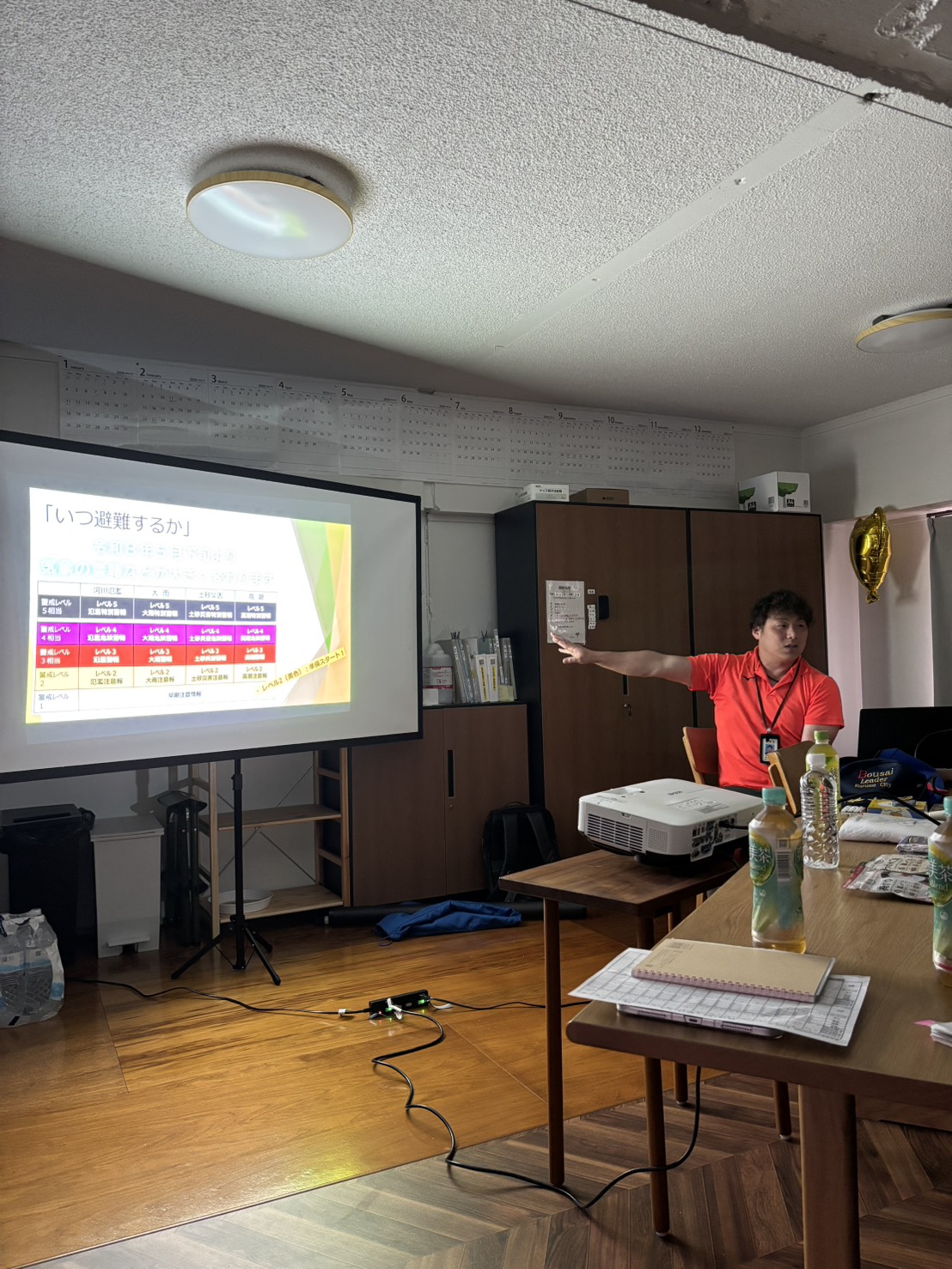
地震や豪雨、台風など、災害はいつ起こるかわかりません。特に僕たちは訪問看護・訪問リハビリという地域で生活されている方々を支える仕事をしているため、防災について改めて深く考える機会となりました。
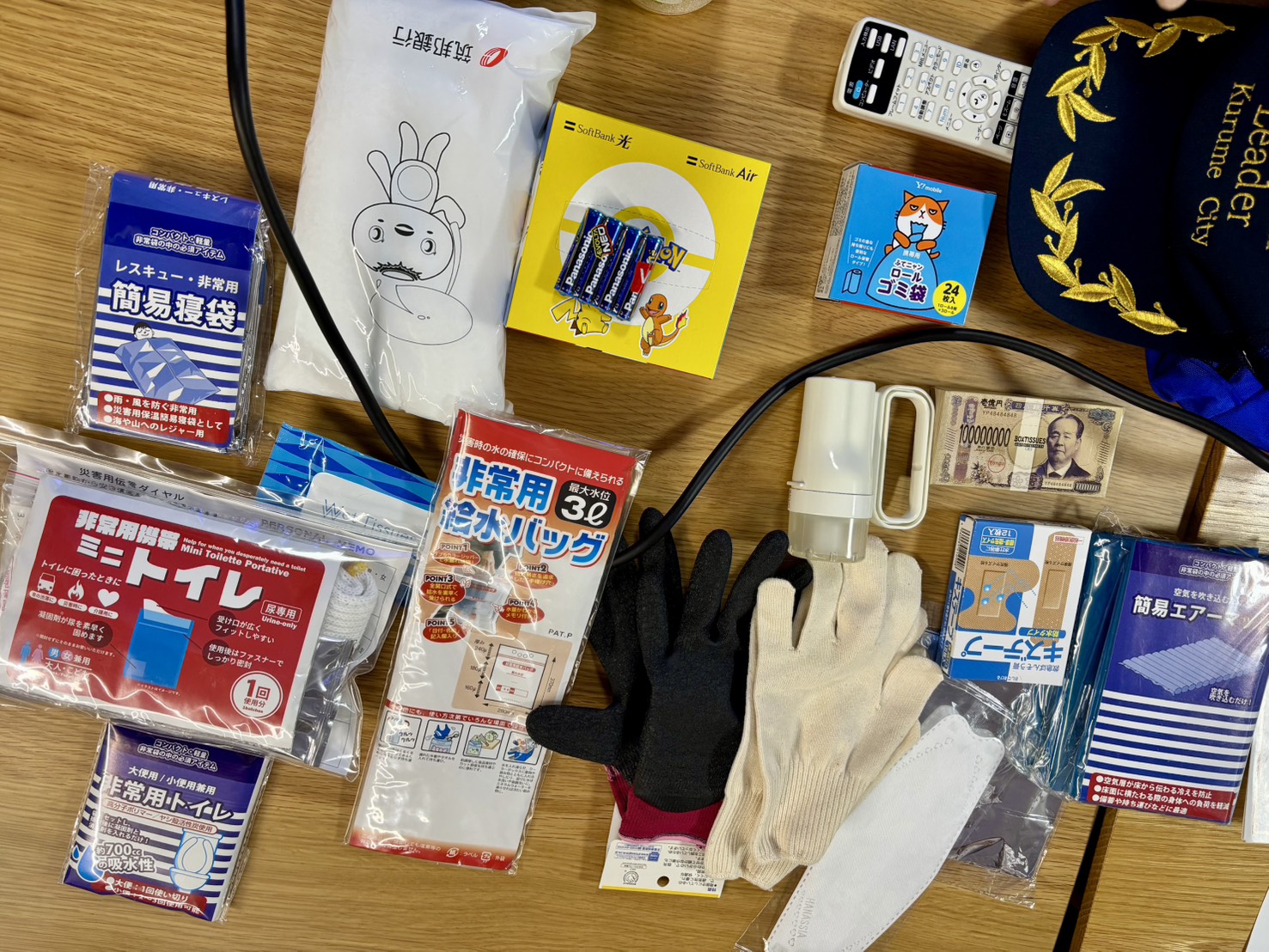
研修の中で特に印象に残った言葉があります。
「8割の命は準備で守れる」
災害が起きてから何をするかではなく、起きる前にどれだけ備えているか。その重要性を改めて学びました。
訪問をしていると、利用者さんの身体状況や医療的な課題について把握することはもちろんですが、それだけでは十分ではありません。ご自宅の構造はどうなっているのか、避難経路は確保されているのか、ご家族はどこにいて、誰が支援できるのか。そういった生活環境全体を理解した上で備えておくことが必要だと感じました。
また、防災は特別なことではなく、日々の支援の延長線上にあるものだと思います。
実際に災害が起きた時にどう動くのか。どこへ避難するのか。誰に連絡するのか。そうしたことを普段から確認し、時には避難訓練として実践していくことも大切な支援の一つではないでしょうか。
利用者さんが安心して地域で暮らし続けるために、僕たち支援者に何ができるのか。
災害時の対応力も、専門職としての大切な力の一つだと感じています。
Moanaでは、看護師・理学療法士・作業療法士・言語聴覚士、それぞれの専門性を活かしながら、日々の支援だけでなく「もしもの時」まで見据えた支援を行っていきます。
利用者さん、ご家族様の命と暮らしを守るために。
これからもスタッフ一同、備えることを大切にしながら、一歩先を考えた支援に取り組んでまいります。🌊🏝️
備えあれば憂いなし。
その言葉の重みを改めて実感した一日でした。
Preparedness Saves Lives: A Lesson We Were Proud to Learn
Recently, our team had the opportunity to attend a disaster preparedness workshop led by an experienced emergency management instructor.
Living in Japan means we are always aware that earthquakes, typhoons, and heavy rainfall can occur without warning. As a home healthcare provider, this topic is especially important because our patients continue to live in their own homes and communities, even during emergencies.
One message from the workshop stayed with all of us:
“Eighty percent of lives can be saved through preparation.”
Those words reminded us that disaster response doesn’t begin when a disaster happens—it begins long before.
As home nurses and rehabilitation professionals, we naturally focus on our patients’ medical conditions and physical needs. However, true preparedness requires us to look beyond healthcare.
Is the home safe during an earthquake?
Does the patient have an accessible evacuation route?
Who can provide assistance if family members are away?
Where is the nearest evacuation shelter?
These questions are just as important as any medical assessment.
We realized that disaster preparedness is not a separate responsibility—it is an extension of everyday care.
Having conversations about emergency contacts, evacuation plans, and local support systems should become part of routine home visits. Even simple discussions today can make an enormous difference tomorrow.
Our mission is not only to help people recover and maintain their health but also to help them continue living safely in their communities, regardless of the circumstances.
At Moana, our nurses, physical therapists, occupational therapists, and speech-language therapists work together as one team. By combining our different areas of expertise, we strive to provide care that supports not only today’s needs but also tomorrow’s uncertainties.
Protecting lives means preparing before an emergency ever begins.
This workshop reminded us that preparedness is one of the most valuable skills any healthcare professional can develop.
As the saying goes,
“The best time to prepare is before you need to.”
We will continue strengthening our knowledge, improving our readiness, and standing beside our patients—today, tomorrow, and whenever they need us.
Because when we prepare together, we protect lives together.